Calisthenics · Updated 2026-09-16
Calisthenics diet: eating for strength without added weight
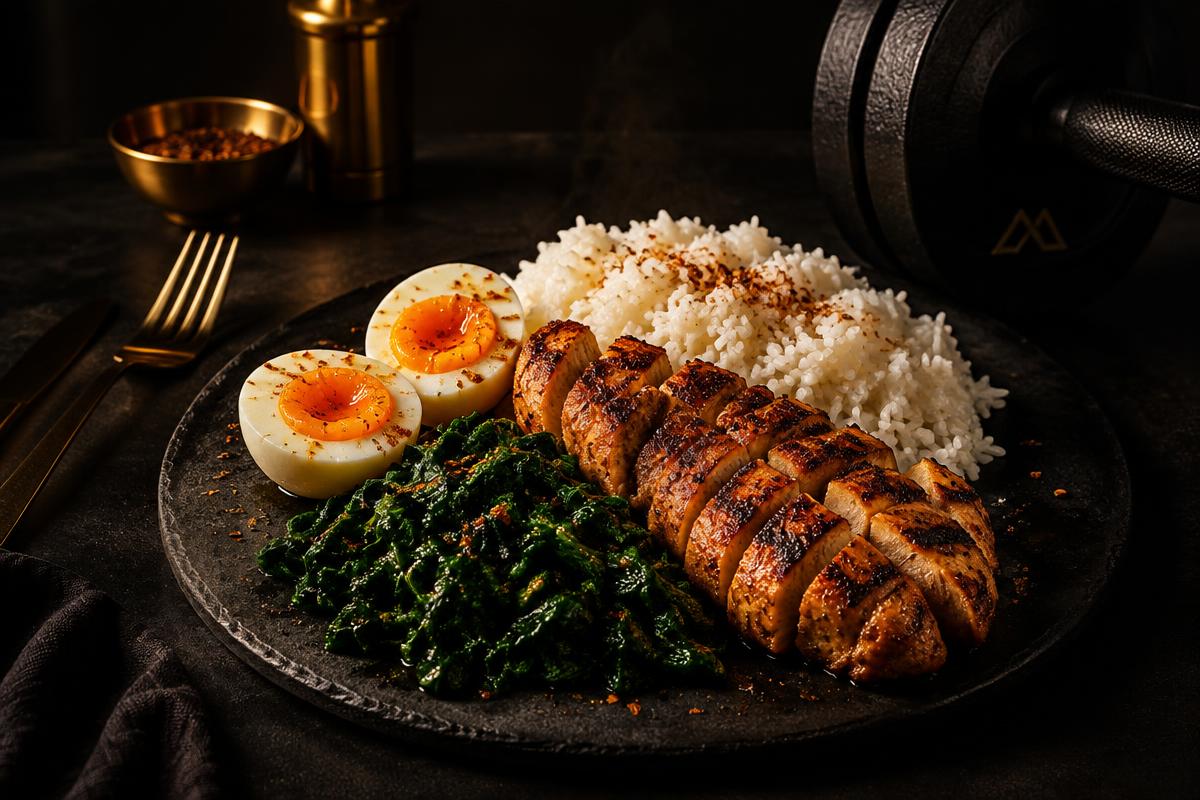
A calisthenics diet needs enough protein — roughly 1.6-2.2 grams per kilogram of bodyweight daily — plus a calorie balance that matches your goal: a small surplus to build muscle, a small deficit to lose fat. Because every exercise involves lifting your own bodyweight, staying lean matters more in calisthenics than in weightlifting, where added mass simply gets loaded onto a barbell instead of pulled up a bar.
Why bodyweight matters more here than in the gym
In a gym, if you gain five kilos of muscle, you simply add more plates. In calisthenics, that extra weight has to be pulled up a bar or pressed off the floor every single rep. This is not a reason to avoid gaining muscle, but it does mean calisthenics athletes tend to benefit from staying leaner than typical bodybuilders while still eating enough to grow.
Protein: the non-negotiable
Aim for 1.6-2.2 grams of protein per kilogram of bodyweight per day, spread across three to five meals. This range consistently shows up in research as sufficient to maximise muscle protein synthesis from resistance training, bodyweight or otherwise.
- 01Lean meat, fish, eggs and dairy for complete amino acid profiles
- 02Legumes and tofu work well for plant-based diets, often needing slightly more total volume
- 03A protein shake is a convenience, not a requirement, if food intake already covers the target
Calories: match the goal
| Goal | Calorie approach | Typical pace |
|---|---|---|
| Build muscle | Small surplus, 200-300 kcal above maintenance | 0.25-0.5 kg gained per month |
| Lose fat | Small deficit, 300-500 kcal below maintenance | 0.5-1 kg lost per week |
| Maintain and improve skills | Calories at maintenance | Body composition stable, strength still improves |
Eating around training
A meal with protein and carbohydrate two to three hours before training fuels the session without leaving you heavy for skill work like handstands or levers. After training, protein intake matters more than exact timing — hitting your daily total is far more important than eating within a narrow post-workout window.
The mistakes that undo good training
- 01Under-eating protein while training hard, which limits recovery and muscle gain
- 02Chasing a deficit too aggressively, which drains strength during skill work like planche or front lever
- 03Ignoring hydration, which affects grip strength and joint function during hanging exercises
- 04Skipping carbohydrates entirely, which hurts performance in high-rep and skill sessions
Tracking without obsessing
You do not need to weigh every gram of food to eat well for calisthenics, but some tracking early on helps calibrate portion sizes to your actual protein and calorie targets. Calisthenics.dk's AI Food Scanner lets you photograph a meal to estimate its nutrition, which is a fast way to build that awareness without manual logging every entry.
How the app helps you with this
Frequently asked questions
Do calisthenics athletes need more protein than lifters?
Not more — the same evidence-based range of 1.6-2.2 grams per kilogram applies regardless of whether resistance comes from a barbell or bodyweight.
Should I bulk to build muscle for calisthenics?
A small, controlled surplus works better than an aggressive bulk, since excess bodyweight directly makes every pulling and pressing exercise harder.
Can I do calisthenics on a calorie deficit?
Yes, though strength gains slow and skill work like planche or front lever feels harder. Keep the deficit moderate and protein high to protect muscle mass.
Is intermittent fasting good for calisthenics?
It is neutral for results as long as total daily protein and calories are met — the eating window itself does not meaningfully change muscle or fat outcomes.
What should I eat before a skill-focused session?
A moderate meal with protein and carbohydrate two to three hours beforehand works well; too much food too close to training makes handstands and inversions uncomfortable.
Keep reading
Want the plan adapted to you?
Calisthenics.dk rebuilds the programme around your level, counts your reps through the camera and corrects your form as you go — all on your own phone.